Advice
Useful advice
How to recognize the best extra-virgin olive oil
Olfactory Assessment
Upon opening the container, the oil should immediately release characteristic aromas such as freshly cut grass, green olive, and an overall sensation of freshness — indicators of a high-quality extra virgin olive oil.
For a more structured evaluation, pour a small amount of oil into a dedicated tasting glass. Warm it gently by cupping the glass in one hand while covering the top with the other to prevent volatile compounds from dispersing. Swirl the oil delicately to encourage the release of aromatic molecules.
After warming, perform a deep inhalation: the olfactory profile should reveal vegetal and fruity notes with varying intensity — from subtle to pronounced — depending on the cultivar and harvest conditions.
Gustatory Assessment
Introduce a small amount of oil into the mouth and perform the “strippaggio” technique: aspirate air sharply through the teeth three or more times to emulsify the oil and distribute it across the entire oral cavity, especially the lateral areas.
Key positive attributes to identify include bitterness and pungency, both of which may vary in intensity. These are not defects, but desirable sensory indicators of a high concentration of polyphenols — natural antioxidants that contribute to the oil’s oxidative stability and health-promoting properties.
A well-balanced oil will exhibit harmony between these attributes, alongside any secondary notes detected during retronasal olfaction.
How to preserve the characteristics of olive oil
Olive oil, over time, is destined to oxidize and oxidation inevitably leads to progressive aging and reduction of its health and organoleptic properties. Therefore, to be able to enjoy its qualities for longer, you need to follow some small but fundamental rules:
- Protect it as much as possible from exposure to light
- Storing it in bottles made of dark glass or stainless steel containers
- Avoid using transparent glass containers
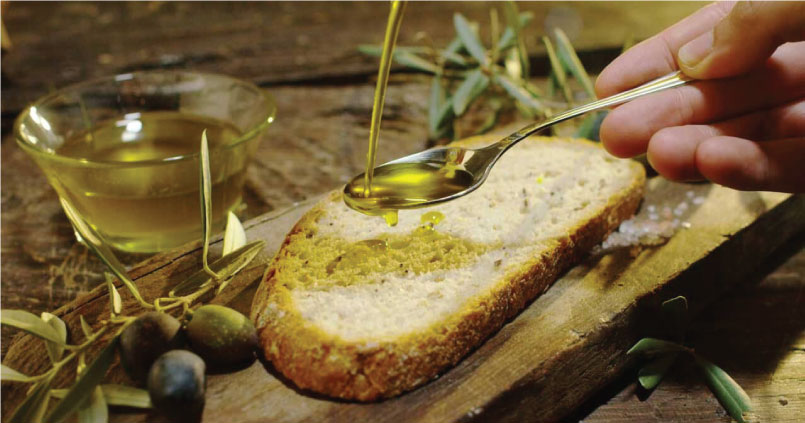
Preserve oil qualities
Protection from Oxygen Exposure
If you purchase extra virgin olive oil in a metal can, it is advisable to transfer it into smaller containers once opened. This reduces the headspace between the oil and the top of the container, limiting the oil’s exposure to oxygen, which can accelerate oxidation and degrade quality.
Protection from Temperature Fluctuations
Extra virgin olive oil should be stored at a stable temperature. Exposure to excessive heat or cold can compromise its chemical stability and sensory characteristics.
Protection from Odors
Always ensure the bottle is properly sealed after use. Olive oil behaves like a sponge and can easily absorb surrounding odors, which may alter its aroma and taste profile.
Bag-in-Box Packaging
The Bag-in-Box system offers optimal protection against oxidation. Its inner collapsible pouch shrinks as oil is dispensed, preventing air from entering and maintaining the oil’s freshness. The integrated tap allows for clean, accurate, and waste-minimizing dispensing.
Additionally, the packaging is environmentally friendly and easy to recycle.
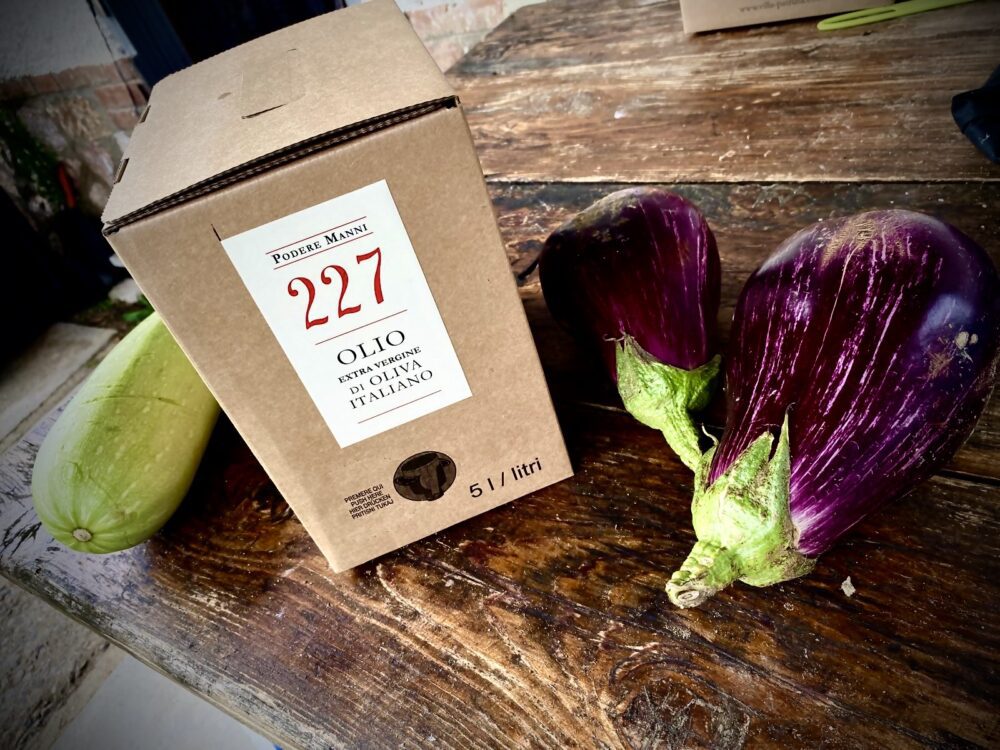
Typical Maremma food
L'Acquacotta
Acquacotta is one of the most authentic and soul-defining dishes of the Maremma.
Born as a humble peasant meal, it was made with whatever was on hand: water, onion, celery, carrots, wild chard, tomatoes, and stale bread. Everything was simmered slowly, turning simple ingredients into a warm, comforting soup.
And the secret ingredient? Extra virgin olive oil.
At the very end, a generous drizzle of raw oil is poured over the bread and vegetables, enriching the dish with aroma and depth, and transforming this modest soup into a bowl full of flavor and heart.
Pici all'Aglione
Pici are a traditional fresh pasta, similar to thick handmade spaghetti, typical of southern Tuscany, including parts of the Maremma.
Their simple preparation — just water, flour, and very little else — makes them perfect for soaking up richly flavored sauces.
One of the most beloved sauces for pici is aglione: a sauce made from Valdichiana’s aglione, a particularly large and sweet variety of garlic that doesn’t overwhelm the palate.
The sauce is made by gently sautéing the aglione in extra virgin olive oil (lots of good oil!), then adding fresh tomatoes or tomato purée, and letting it cook slowly until it becomes a fragrant, comforting sauce.
Crostini con i fegatini
Crostini con i fegatini are one of the most classic appetizers of the Tuscan tradition, also much loved in Maremma.
It is a rustic and tasty recipe, created to enhance every part of the farmyard animals, especially chicken livers.
The preparation starts with a base of Tuscan bread, typically unsalted, which is toasted and then generously drizzled with extra virgin olive oil. This step is essential: the oil softens the bread, enhances its flavor, and creates the perfect base to hold the chicken liver pâté.
The paté is obtained by browning the livers with onion, capers, anchovies and a little vin santo or broth. The whole thing is then minced until a thick and fragrant cream is obtained.
Panzanella
Panzanella is a poor dish of the Tuscan peasant tradition, perfect for hot summer days. It is an anti-waste recipe that was created to give new life to stale bread, transforming it into a fresh and tasty salad.
The Maremma version includes stale Tuscan bread, slightly soaked and then squeezed, ripe tomatoes, red onion, fresh basil and lots of extra virgin olive oil, which binds all the flavors and gives that irresistible softness to the dish.
In alcune varianti locali, si aggiungono anche cetrioli o sedano, ma una cosa è certa: senza un ottimo olio, la panzanella non sarebbe la stessa!
Want our oil fresh from the mill?
Shipping across Europe
Join our mailing list: just one email a year, so you are the first to know when the new oil is ready.
Come and visit us
Podere Manni loc. Poggi di Mota – Roselle 58100 Grosseto (Gr)
cell phone & WhatsApp 320 4398012